


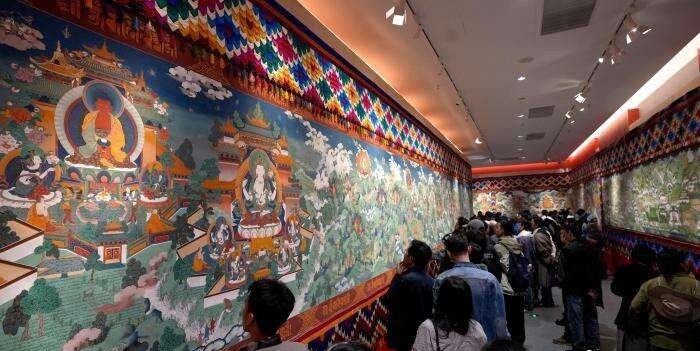
Rebgong Thangka Art
#Thangka|Zhaka School ·2025-11-28 16:29:04


Rebgong Thangka Art|UNESCO-Protected Buddhist Heritage
【Origins and History】
Region: Tongren County (Rebgong), Qinghai Province
Development: Artistic hub of Amdo region since late 15th century
UNESCO Status: Inscribed on UNESCO's Intangible Cultural Heritage List (2009)
Tradition: Distinctive painting tradition centered on Buddhist imagery
【Artistic Features】
Colors: Bright, vivid with bold contrasts and heavy gold use
Line Work: Fluid, flexible, less bound by canonical rules
Figures: Rounded, approachable faces conveying warmth
Backgrounds: Highly decorative with florals, clouds, landscapes
Overall Style: Combines religious solemnity with ornamental richness
【Color-Based Categories】
Multi-colored: Most common, bright and richly decorative
Red Thangka: Red-dominant, symbolizes compassion and auspiciousness
Blue Thangka: Blue-ground, symbolizes wisdom and emptiness
Gold Thangka: Painted entirely in gold, grand and regal
Silver Thangka: Rare, refined, often used for goddesses
Black Thangka: Black-ground, symbolizes purification, depicts wrathful deities
【Artistic and Collecting Value】
Production Scale: Large numbers of painters and works produced
Stylistic Distinctiveness: Decorative and colorful, distinct from central Tibetan solemnity
Market Position: Generally less prized than Menri, Mensar, or Chiwugangba
International Recognition: UNESCO status provides strong global visibility
【Religious and Cultural Value】
Monastic Function: Devotional and meditative support in religious practice
Popular Appeal: Widely embraced by households due to vivid, approachable style
Cultural Significance: Symbolizes localization and popularization of Tibetan Buddhist art